
Acrylic Pressure Sensitive Adhesive
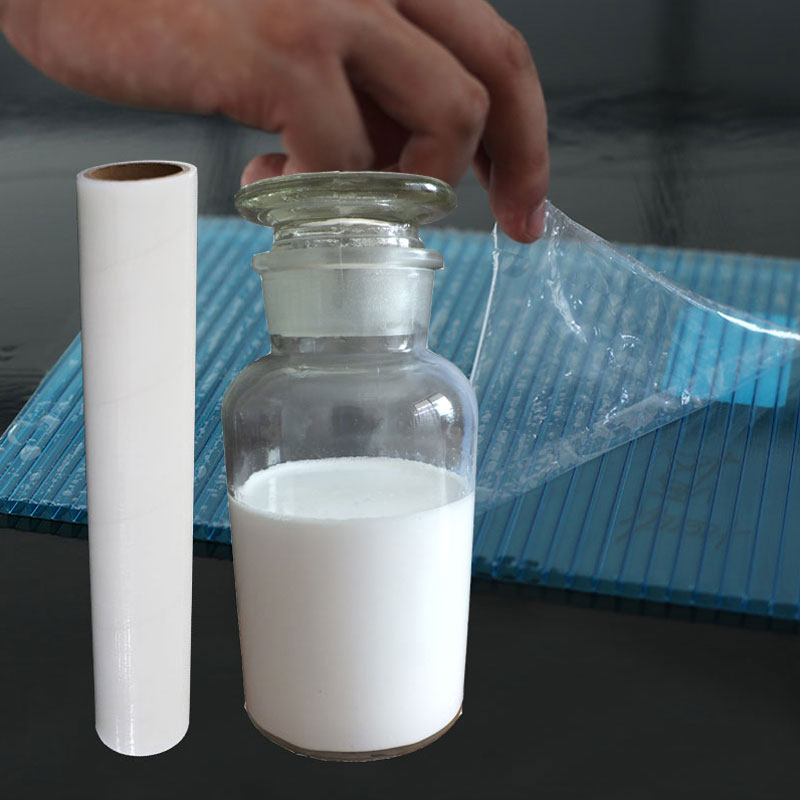
- Our acrylic pressure sensitive adhesive (PSA) is a water-based emulsion adhesive that self-adhesive and self-stick instantly with light pressure - no heat or curing required.
- Unlike reactive adhesives, our acrylic PSAs remain permanently tacky and flexible, allowing them to adhere to a wide range of substrates while maintaining long-term performance.
- 10 ~ 20000 mPa·s viscosity
- 35 ~ 70±2 wt% solid content
- 6 ~ 9 PH value
- Eco-friendly & low VOC
- Strong initial tack & long-term adhesion
- Excellent aging & UV resistance
- Custom formulations available
Why Choose Our Pressure-Sensitive Adhesives?
- As a professional manufacturer of acrylic pressure sensitive adhesives, we are dedicated to solving the problems encountered by customers in the use of adhesives due to variations in production equipment and processes.
- Compared with traditional solvent PSAs, our water-based PSA is more eco-friendly and convenient to operate. Using deionized water instead of traditional solvents reduces pollution to the environment and is the ideal environmentally friendly product.
- By adjusting the proportion of curing agents, pressure sensitive adhesives with different adhesion are available to meet the requirements of different usages.
- They are applicable to many kinds of materials and will turn transparent after drying.
Guidance
Adhesive selection guidance
Testing
Application testing
Sampling
Prototype and sampling
Optimization
Performance optimization
Manufacturing Specifications & Performance Test
| Manufacturing Specifications | Technical Details |
|---|---|
| Adhesive Type | Water-Based Acrylic PSA Emulsion |
| Appearance | Milky Liquid |
| Viscosity | 10–20,000 mPa·s |
| Solid Content | 35–70 ± 2 wt% |
| pH Value | 6–9 |
| Adhesion Levels | Low, Medium & High Tack |
| Main Applications | Protective Films, Industrial Tapes, Film Lamination |
| Customization | Viscosity, Solids, Tack, Peel Adhesion, Cohesion |
| Quality Testing | Viscosity, Solids, pH, Peel, Tack, Shear |
| Performance Test | Purpose | Reference Method |
|---|---|---|
| 180° Peel Adhesion | Evaluate removal or bonding force | ASTM D3330 |
| Initial Tack | Assess initial adhesive contact | ASTM D2979 or PSTC |
| Static Shear | Evaluate cohesive holding power | ASTM D3654 |
| Viscosity | Monitor coating consistency | ASTM D2196 |
| Solids Content | Determine nonvolatile content | Validated gravimetric method |
| Accelerated Aging | Assess performance changes after exposure | Application-specific protocol |
| Adhesion Build-Up | Monitor peel force over dwell time | Internal test method |
| Residue Inspection | Evaluate clean removal | Application-specific test |
Our Pressure Sensitive Adhesive Parameters
| Model NO. | Appearance | Viscosity in mPa·s | Solid Content wt% | PH value | Features | Applications |
|---|---|---|---|---|---|---|
| FR-201 | Milky liquid | 10 ~ 50 | 43±1 | 6 ~ 8 | Low VOC; excellent water and high-temperature resistance | Suitable for the lamination of various plastic films |
| FR-07 | Milky liquid | 100 ~ 400 | 40±1 | 7.5 ~ 9 | Low peel adhesion build-up, easy to tear, leaves no residue, does not curl during cutting, and no stringing | Suitable for low-tack protective films on various appliance panels |
| FR-04 | Milky liquid | 25 ~ 150 | 43/47±1 | 7 ~ 8.5 | Excellent UV resistance, aging resistance, and water and high-temperature resistance | Suitable for outdoor applications of protective films on various profiles |
| FR-102-2 | Milky liquid | 100 ~ 400 | 40±1 | 7.5 ~ 9 | Low peel adhesion build-up, easy to tear, leaves no residue, does not curl during cutting, and no stringing | Suitable for medium-tack protective films on various appliance panels |
| FR-W78-1 | Milky liquid | 50 ~ 200 | 47±1 | 7 ~ 8.5 | Excellent UV resistance, aging resistance, and water and high-temperature resistance | Suitable for medium-tack protective films on various profiles |
| FR-08-J7 | Milky liquid | ≤150 | 50±1 | 7 ~ 8.5 | Resistant to high and low temperatures (-20 to 80°C) | Suitable for glass edging films |
| FR-091-6 | Milky liquid | 50 ~ 250 | 53±1 | 7 ~ 8.5 | Excellent initial tack | Suitable for various exceptionally rough surfaces |
| FR-L2-1 | Milky liquid | 300 ~ 500 | 52±1 | 7 ~ 9 | High adhesion with excellent unwind properties | Suitable for protective films on various types of carpeting |
| FR-977-2 | Milky liquid | 200 ~ 300 | 52±1 | 7 ~ 9 | Excellent holding power | Suitable for manufacturing high-tack tapes for permanent bonding |
Technical Support & R&D Collaboration
Manufacturing & Quality Control
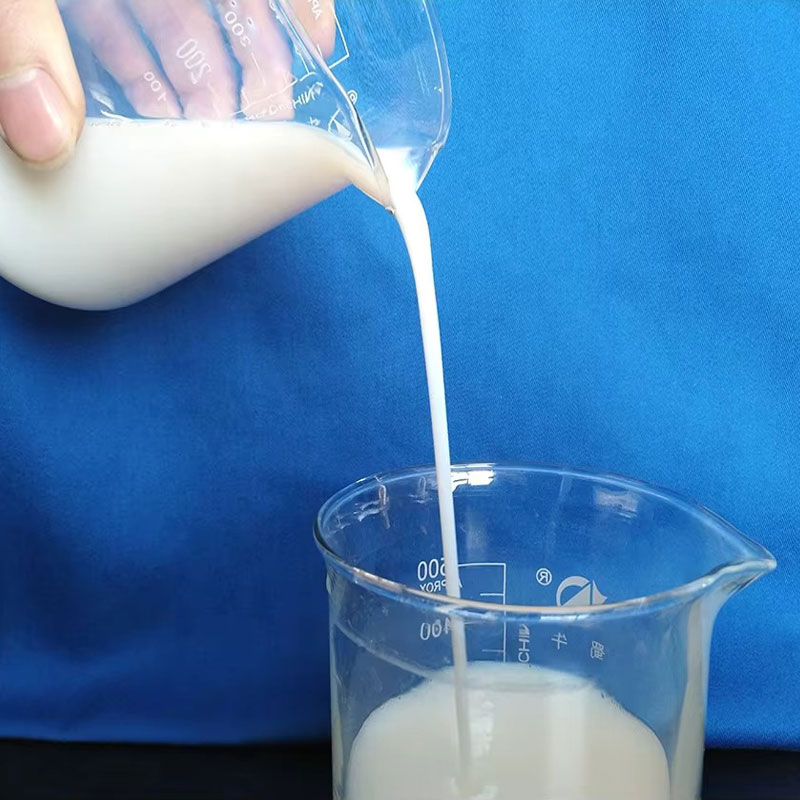
1. Raw Material Preparation
Select high-purity acrylic monomers, additives, and deionized water.
2. Emulsion Polymerization
Precisely control temperature, time, and stirring to form stable acrylic latex.
3. Formula Adjustment
Fine-tune tack, peel strength, and cohesion to meet application requirements.
4. Filtration & Defoaming
Remove impurities and bubbles for uniform adhesive performance.
5. In-Process Monitoring
Monitor viscosity, solid content, pH, and etc.
6. Performance Testing
Test adhesion, peel strength, tack, and shear resistance.
7. Environmental & Safety Checks
Ensure low VOC content and compliance with environmental standards.
Acrylic PSA vs. Other PSA Types
| Adhesive Type | Environmental Impact | Durability | UV Resistance | Cost |
|---|---|---|---|---|
| Acrylic | ★★★★★ (water-based, low VOC, most eco-friendly) | ★★★★★ | ★★★★★ | Low - Medium |
| Rubber | ★★ (petroleum-based, higher VOC) | ★★ | ★ | High |
| Silicone | ★★★ (energy-intensive production) | ★★★★ | ★★★★ | Very High |
| PU | ★★★ (moderate, depends on formulation) | ★★★ | ★★★ | Medium |
| EVA | ★★★★ (relatively low toxicity, recyclable potential) | ★ | ★ | Low |
Applications
We provide tailored adhesive solutions designed to meet the performance requirements of diverse film applications.
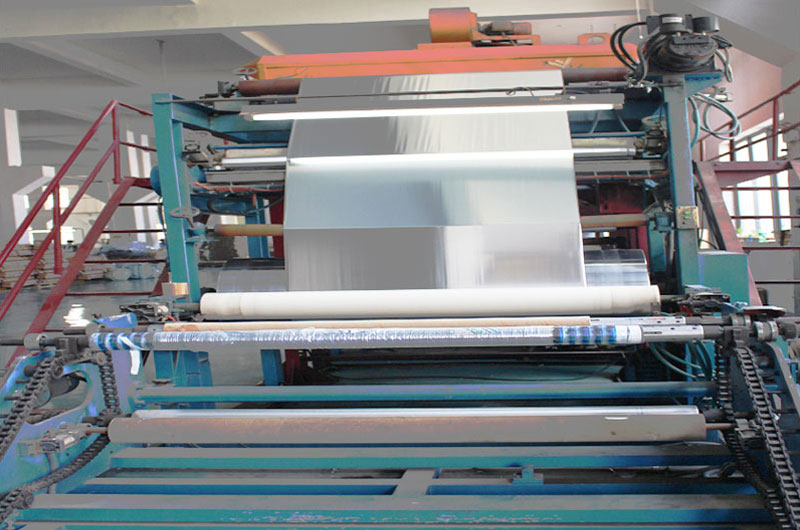
Film Lamination
FR-201 adhesive offers strong peel strength and reliable bonding, making it ideal for laminating BOPP, CPP, PET, PE, and other film substrates.
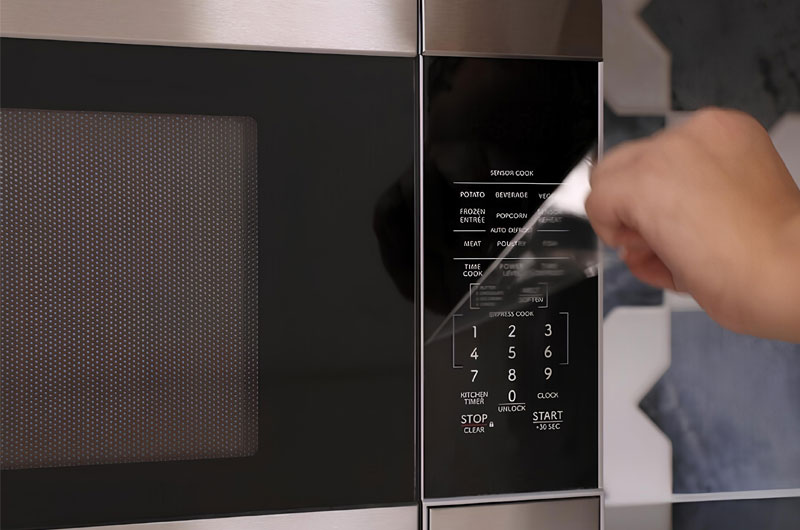
Household Appliances Protective Film
FR-07, FR-102-2 adhesive provide stable adhesion with minimal peel increase, and excellent anti-stamping performance for appliance surfaces.
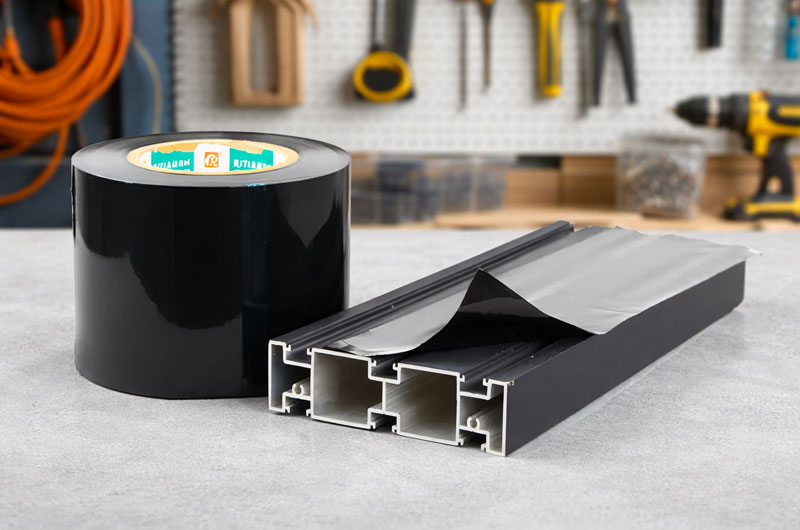
Outdoor Protective Film
FR-04, FR-W78-1, FR-091-6 adhesive deliver outstanding temperature and moisture resistance, ensuring durable protection and stable adhesion in demanding outdoor environments.
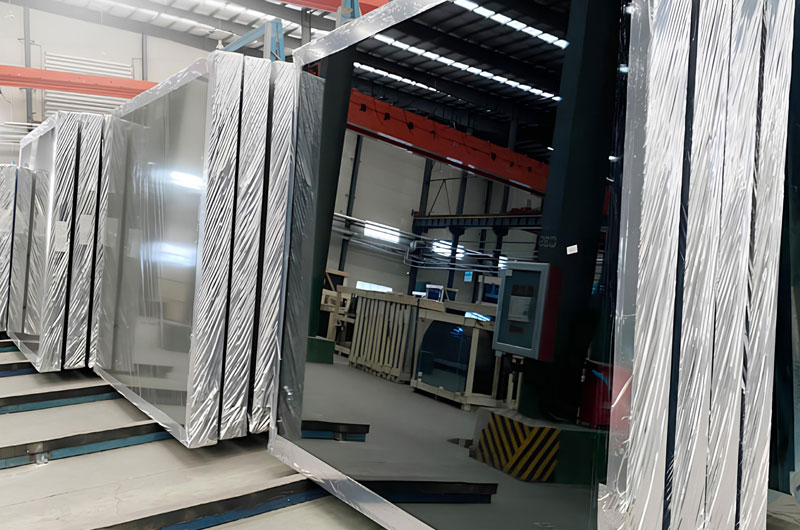
Offline Low-E Glass Protective Film
FR-08-J7 adhesive features strong peel strength with controlled unwinding, offering reliable protection and easy application for offline Low-E glass processing.
Get in Touch with Us
FAQs
Eco-friendly, low VOC, non-flammable, stable performance, and excellent aging resistance.
Yes, it has low VOC emissions and complies with most environmental regulations.
Yes, acrylic systems have excellent UV and weather resistance.
Yes, our acrylic PSAs maintain clarity and performance over long periods.
Our acrylic PSA emulsions primarily contain acrylic polymers, water, emulsifiers, and functional additives.
Formulations can be customized to achieve specific adhesion, viscosity, cohesion, and coating performance requirements.
Our acrylic PSA emulsions offer viscosities ranging from 10 to 500 mPa·s, depending on the product grade.
Customized viscosity options are available to meet specific coating requirements.
Our acrylic PSA emulsions typically have a solids content of 40%–53%, depending on the formulation.
Viscosity, solid content, peel strength, tack, shear, and aging tests.
Yes, our technical team supports formulation and assists with coating parameters and line optimization.