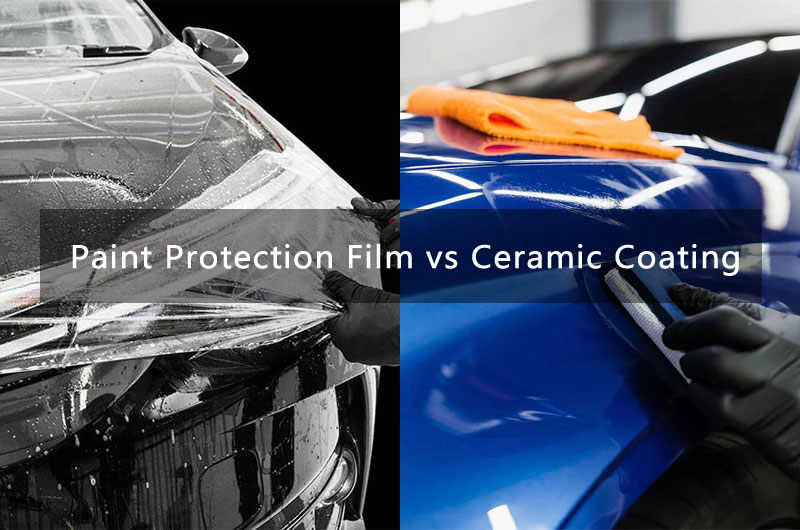
When it comes to protecting a vehicle’s paintwork, two solutions dominate the market: paint protection film (PPF) and ceramic coating.
Both are designed to preserve appearance, enhance durability, and maintain resale value—but they work in fundamentally different ways.
In this guide, we break down how each option works, their pros and cons, and how to choose the right one based on your needs.
What Is Paint Protection Film (PPF)?
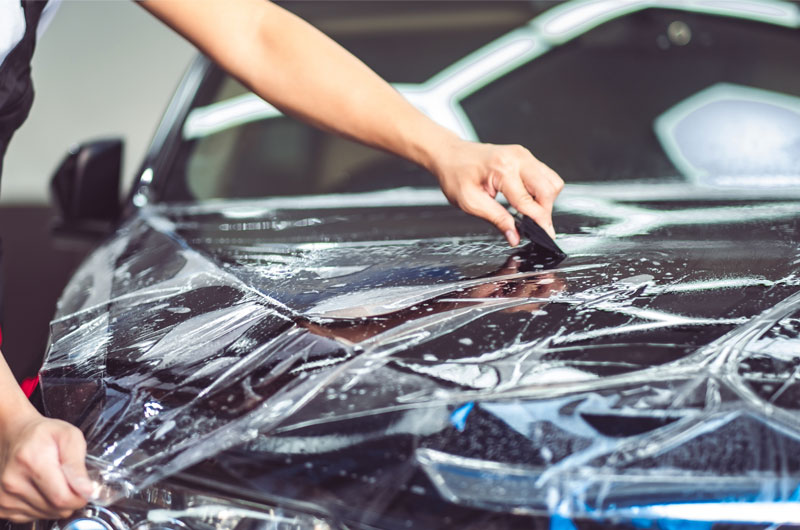
Paint protection film (PPF) is a transparent, flexible film typically made from thermoplastic polyurethane (TPU). It is applied directly onto a vehicle’s painted surfaces—such as the hood, bumper, mirrors, and doors—to act as a physical protective barrier.
How PPF Works
PPF functions much like industrial temporary protective films used in manufacturing. It forms a protective sacrificial layer that takes damage instead of the vehicle’s original paint.
Key Functions of PPF
- Scratch Resistance: Protects against light scratches from washing, debris, or everyday use.
- Impact Protection: Absorbs impact from road debris, gravel, and minor collisions.
- Self-Healing Properties: Premium TPU films feature self-healing properties, allowing light scratches to disappear under heat exposure.
- Surface Protection During Use: Prevents damage during driving, parking, and even cleaning.
Advantages and Disadvantages of Paint Protection Film
|
|
PPF is best understood as a true physical barrier layer, similar to protective films used in aluminum profiles, glass, or electronics. It doesn’t just enhance the surface—it actively absorbs damage.
What Is Ceramic Coating?
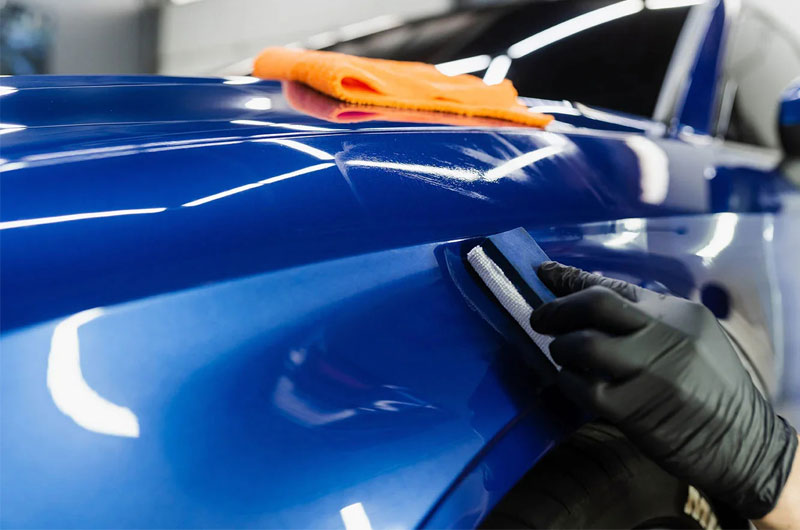
Ceramic coating is a liquid polymer that is applied to a vehicle’s surface and chemically bonds with the factory paint. Once cured, it forms a thin, invisible layer that enhances and protects the paint.
How Ceramic Coating Works
Unlike PPF, ceramic coating doesn’t form a thick physical layer; instead, it bonds at a molecular level to create a semi-permanent shield.
Key Functions of Ceramic Coating
- Water Repellency: Water beads up and rolls off easily, reducing water spots.
- Gloss Enhancement: Enhances the depth, clarity, and shine of the paint.
- UV Resistance: Protect the paint from oxidation, UV damage, and color fading
- Easier Cleaning: Dirt, grime, and contaminants have difficulty sticking to the surface.
Advantages and Disadvantages of Ceramic Coating
|
|
Ceramic coating is not a protective shield against impact or scratches. It is primarily a surface enhancement and chemical protection layer.
PPF vs Ceramic Coating Comparison Chart
| Feature | Paint Protection Film (PPF) | Ceramic Coating |
|---|---|---|
| Type | Thermoplastic polyurethane (TPU) film | Liquid polymer coating |
| Protection Mechanism | Physical barrier layer | Chemical bonding layer |
| Scratch Resistance | High (self-healing for light scratches) | Low (only minor resistance) |
| Impact Protection | Excellent (protects against stone chips) | None |
| Gloss Enhancement | Moderate (depends on film type) | High (deep gloss and shine) |
| Hydrophobic Effect | Moderate | Excellent (strong water beading) |
| UV Resistance | Good | Excellent |
| Ease of Cleaning | Easy | Very easy |
| Durability | 5–10 years | 2–5 years |
| Installation | Complex (professional required) | Easier (but prep is critical) |
| Cost | Higher | Lower |
Which One You Should Choose?
The ideal solution depends on your priorities, driving environment, and protection expectations.
Choose Paint Protection Film (PPF) If:
- You regularly drive on highways or rough terrain
- Your vehicle is exposed to stone chips, debris, or harsh environments
- You want maximum protection for high-value or luxury vehicles
- You prioritize physical durability over appearance enhancement
- You want long-term protection with minimal repaint risk
Ideal for: Front bumpers, hoods, side mirrors, door edges, and high-impact zones.
Choose Ceramic Coating If:
- You want your car to look glossier and cleaner
- You prefer low maintenance and easy washing
- Your vehicle is mostly used in urban or low-risk environments
- You are focused on aesthetic enhancement and chemical protection
- You want a more budget-friendly solution
Ideal for: Daily drivers, show cars, and vehicles where appearance matters most.
Best Solution: Combine Both
For many car owners, the optimal approach is not choosing one—but combining both:
- Apply PPF to high-impact areas (front end, hood, mirrors)
- Apply ceramic coating on top of PPF and remaining surfaces
This hybrid solution delivers:
- Maximum physical protection (from PPF)
- Superior gloss and hydrophobic performance (from ceramic coating)
Final Thoughts
Paint protection film and ceramic coating are not competing products—they are complementary solutions with different strengths.
- PPF = Protection from physical damage
- Ceramic Coating = Enhancement and surface protection
If your priority is defense, choose PPF.
If your priority is appearance and convenience, choose ceramic coating.
If you want the best of both worlds, combine them.