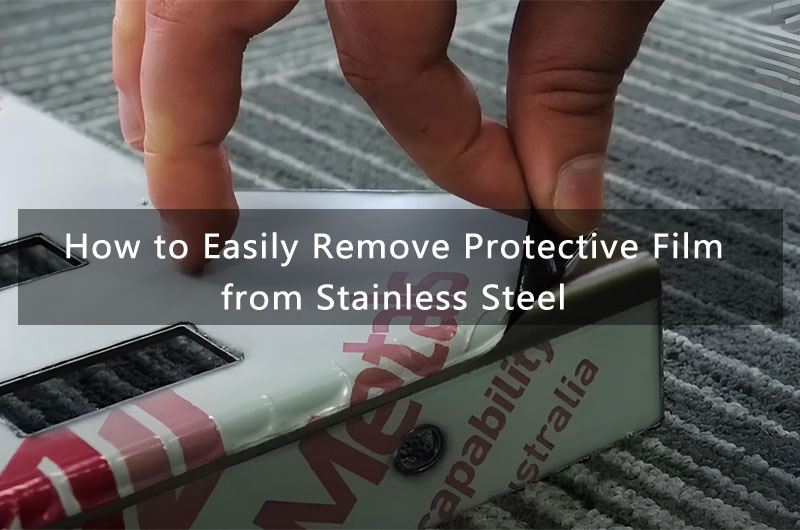
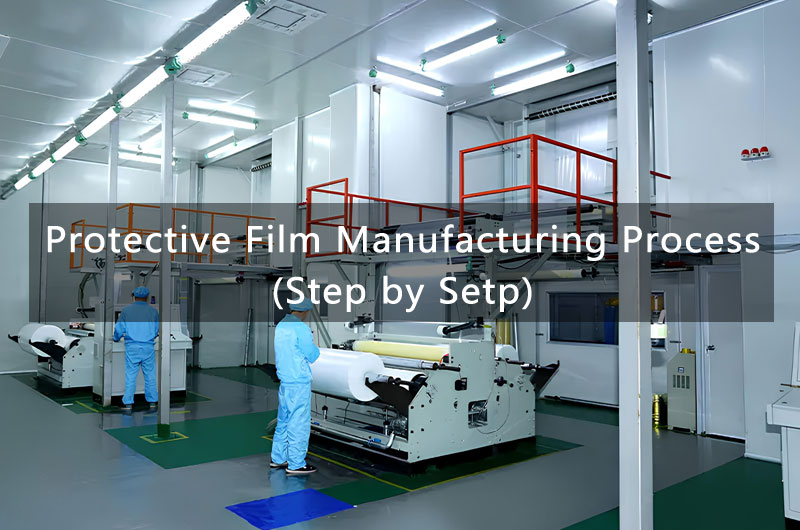
From aluminum profiles and stainless steel to glass and electronic displays, the performance of a protective film depends heavily on how it is manufactured.
In this article, we walk you through the complete protective film manufacturing process and demonstrate how our manufacturing capabilities and strict quality control systems ensure superior product performance.
Step-by-Step Protective Film Manufacturing Process
1. Base Film Inspection
The process begins with the selection and inspection of the base film, typically PE (polyethylene) or PET (polyester).
We use high-quality raw materials sourced from reliable suppliers, and every roll undergoes strict inspection before entering production.
We control:
- Film thickness consistency (e.g., 30–70μm for PE, 30–50μm for PET)
- Surface smoothness and cleanliness
- Mechanical properties such as tensile strength and elongation
Our process ensures:
- No defects such as pinholes, gels, or uneven surfaces
- Stable film performance during coating and lamination
By starting with a flawless base film, we lay the foundation for a protective film that performs consistently across applications.
2. Adhesive Formulation
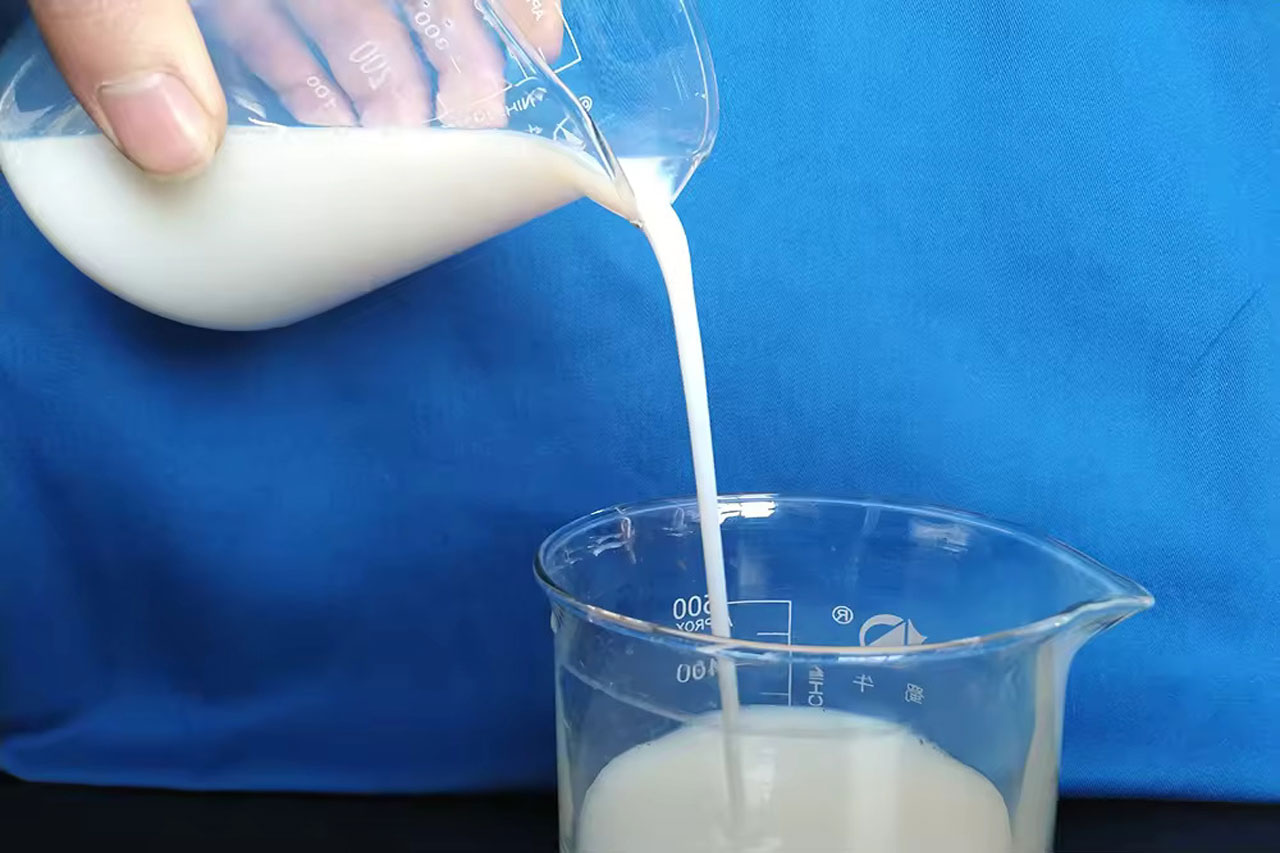
The adhesive layer is the core of any protective film. It determines how well the film sticks—and how cleanly it removes.
We use eco-friendly water-based acrylic pressure-sensitive adhesives (PSA), which are widely preferred for their low VOC emissions and stable performance.
We use:
- High-purity acrylic polymers
- Deionized water as the solvent
- Precisely controlled additives and curing agents
We control:
- Peel strength (e.g., 0.2–20 N depending on application)
- Viscosity and solid content
- pH level and curing conditions
Our process ensures:
- Stable adhesion across different surfaces (smooth, textured, coated)
- No residue after removal
- Long-term performance without adhesive transfer
We tailor adhesive formulations to match specific substrates such as aluminum profiles, stainless steel, glass, or plastics. This allows us to deliver low-tack, medium-tack, or high-tack solutions based on customer needs.
3. Printing (Optional)
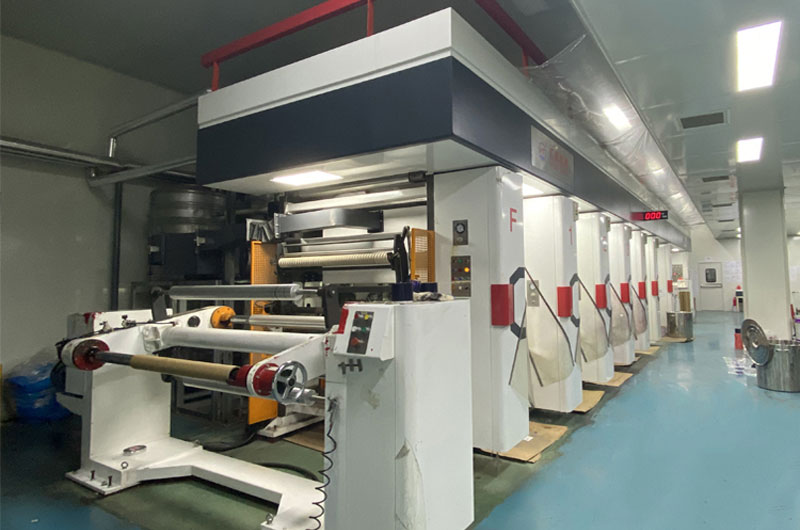
For many applications, protective films require surface printing for branding, instructions, or identification.
We use advanced printing technology capable of up to 8-color printing, ensuring high clarity and durability.
We use:
- Precision gravure or flexographic printing systems
- High-quality inks compatible with film substrates
We control:
- Ink adhesion and curing
- Color consistency across batches
- Registration accuracy for multi-color designs
Our process ensures:
- Clear, long-lasting printed graphics
- No ink transfer or contamination during use
Printing is especially important for improving brand visibility and providing installation guidance to end users.
4. Lamination
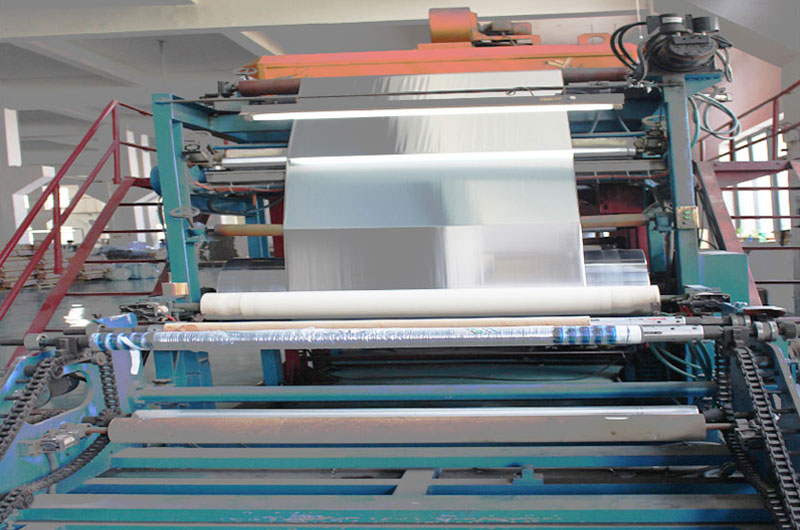
Lamination combines the printed (or unprinted) film with the adhesive layer, forming a unified protective structure.
We use advanced lamination equipment to ensure uniform bonding between layers.
We control:
- Lamination pressure and temperature
- Alignment and tension during processing
- Air bubble elimination
Our process ensures:
- Strong bonding without delamination
- Smooth and uniform film structure
- High optical clarity for transparent films
This step is critical in maintaining the film’s integrity during application and removal.
5. Coating
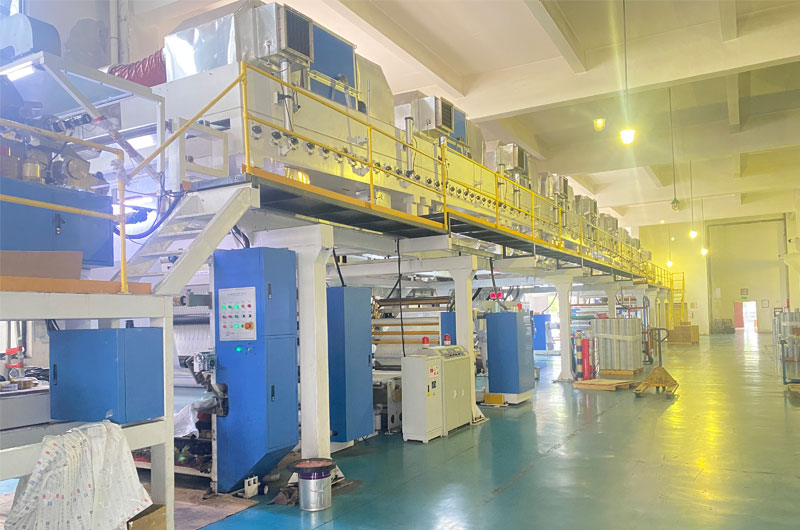
Coating is one of the most technically demanding steps in the manufacturing process. It determines how evenly the adhesive is distributed across the film surface.
We use advanced coating lines with high precision and automation.
We control:
- Coating thickness uniformity
- Coating speed and drying temperature
- Environmental conditions (dust-free, temperature-controlled rooms)
Our process ensures:
- Consistent adhesion performance across the entire roll
- No streaks, bubbles, or uneven coating
- Stable performance in both indoor and outdoor environments
Our advanced high-speed coating lines deliver large-scale production while ensuring precise thickness control and consistent quality. This ensures every meter of film delivers the same reliable performance.
6. Slitting & Rewinding
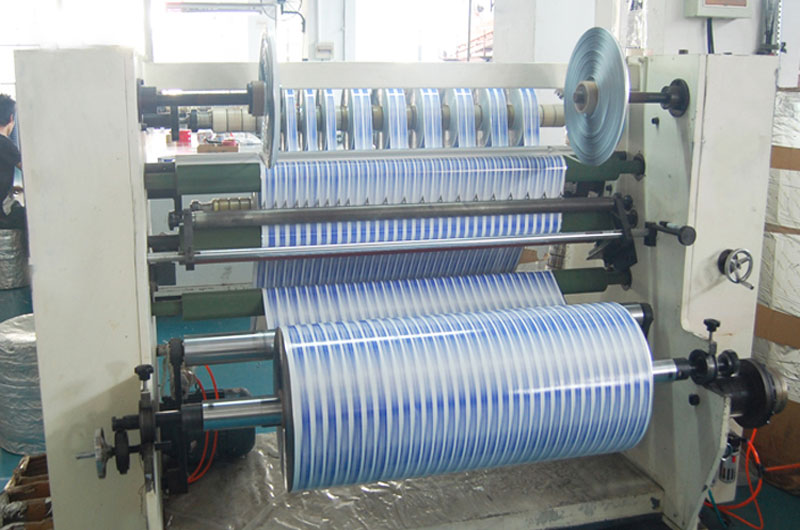
After coating and curing, the large master rolls are converted into customer-specific sizes through slitting and rewinding.
We use:
- High-precision slitting machines
- Automated tension control systems
We control:
- Roll width and length accuracy
- Edge quality (no burrs or uneven cuts)
- Winding tension to prevent deformation
Our process ensures:
- Clean edges for easy application
- Consistent roll quality for automated processing
- Custom sizes tailored to customer requirements
Equipped with multiple slitting lines and optimized scheduling, we efficiently support both bulk production and custom small-batch orders with quick turnaround.
7. Quality Inspection
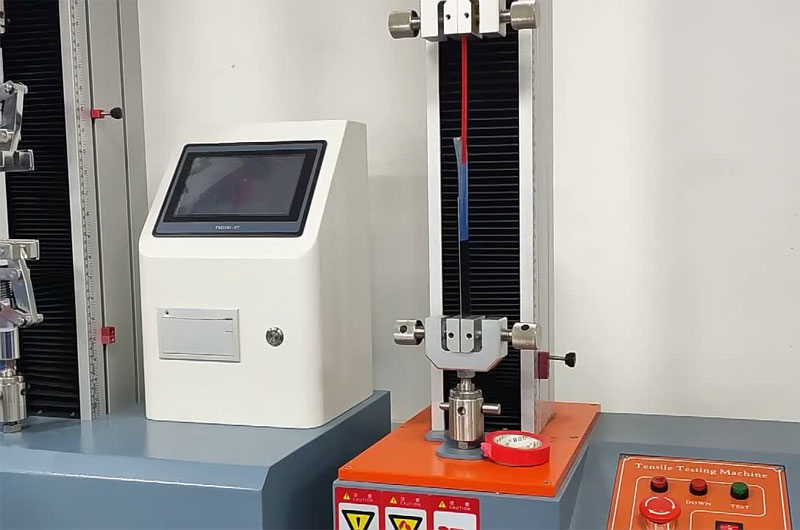
Quality control is integrated into every stage of production, but the final inspection ensures that only qualified products reach customers.
We use a strict QC system, combining in-process monitoring with final testing.
We control and test:
- Peel strength (180° peel test)
- Adhesion stability over time
- Residue performance after removal
- Weather resistance (UV, temperature, humidity)
- Visual defects (bubbles, scratches, contamination)
Our process ensures:
- Each batch meets international quality standards
- Consistent performance across different applications
- Reliable protection without risk of damage
From raw material inspection to final product testing, we implement multi-level quality checks to guarantee zero-defect delivery.
Why Our Protective Films Perform Better
By integrating advanced technology, strict quality control, and customized solutions into every step of the manufacturing process, we deliver protective films with superior performance.
Eco-friendly water-based PSA
We use environmentally friendly adhesives with low VOC emissions and excellent stability.
Custom adhesion solutions
Tailored formulations ensure optimal performance on different surfaces.
Advanced coating lines
Precision coating guarantees uniform adhesion and consistent quality.
Strict QC system
Comprehensive testing ensures reliable performance and clean removal.
High production capacity
Scalable manufacturing supports both large and customized orders.
Conclusion
The performance of a protective film is not determined by materials alone—it is the result of a precisely controlled manufacturing process.
From base film inspection to final quality testing, we use advanced equipment, strict quality control, and customized adhesive solutions to ensure every roll meets the highest standards. Our process ensures consistent adhesion, clean removal, and reliable surface protection across a wide range of industries.
If you are looking for a high-performance protective film solution tailored to your application, our manufacturing expertise and scalable production capabilities make us a trusted partner for your business.