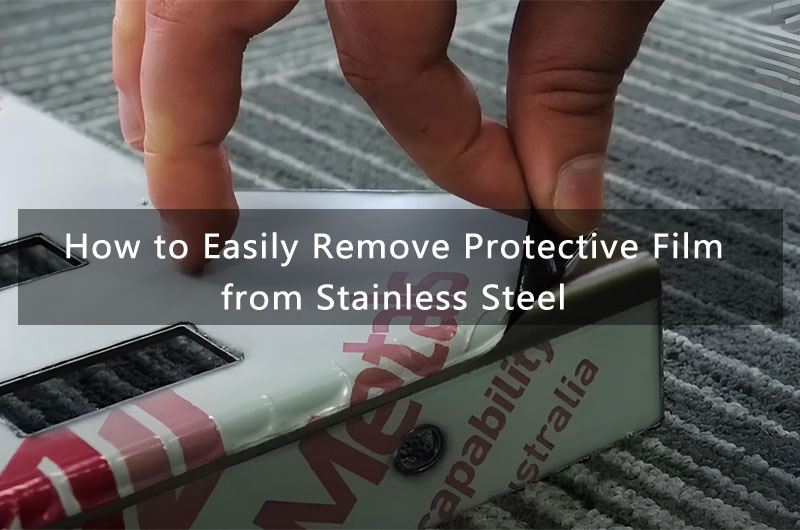
Temporary protective films are widely used across industries—from aluminum profiles and stainless steel to glass, plastics, and electronics—to prevent scratches, contamination, and surface damage.
However, despite their advantages, users often encounter a range of issues during application, usage, or removal.
Understanding these common problems and how to resolve them is essential for ensuring optimal performance and avoiding costly rework.
1. Air Bubbles Under the Film
Air bubbles are one of the most frequent issues during or after installation. Bubbles develop when air or moisture is trapped between the film and the surface being protected. They can affect both appearance and protection performance.
Causes
- Improper installation technique
- Dust or debris on the surface
- Trapped moisture during wet application
- Insufficient pressure during lamination
Solutions
- Proper surface cleaning: Ensure the substrate is dust-free, oil-free, and dry before application.
- Use a squeegee: Apply even pressure to push out trapped air during installation.
- Allow curing time: Small moisture bubbles often disappear naturally within days as the adhesive cures.
- Controlled environment: Avoid applying film in high humidity or extreme temperatures.
2. Poor Adhesion or Film Peeling Off
The film fails to stick properly or peels off prematurely, especially at edges.
Causes
- Contaminated or rough surface
- Incorrect adhesive selection (too low tack)
- Insufficient application pressure
- Environmental factors such as temperature or humidity
Solutions
- Surface preparation: Clean thoroughly to remove dust, grease, or moisture.
- Choose correct adhesion level: Match low, medium, or high tack films based on surface type.
- Apply proper pressure: Use rollers or squeegees to ensure full contact.
- Use edge sealing (if needed): Especially for outdoor or long-term applications.
3. Adhesive Residue After Removal
Sticky residue remains on the surface after removing the protective film, requiring extra cleaning.
Causes
- Poor-quality or incompatible pressure-sensitive adhesive
- Excessive exposure to heat or UV
- Leaving film on surface for too long
Solutions
- Select high-quality acrylic PSA: Ensure residue-free removal performance.
- Follow recommended dwell time: Remove film within specified time limits.
- Use proper cleaning agents: Alcohol or mild solvents can remove residue safely.
- Avoid extreme conditions: Limit UV and heat exposure during application period.
4. Difficulty in Removing the Film
The film becomes hard to peel off, especially after long-term use.
Causes
- Overly aggressive adhesive formulation
- Aging of adhesive due to UV exposure
- Incorrect film selection for the application
Solutions
- Choose removable-grade adhesive films: Designed for temporary use.
- Control exposure time: Avoid leaving film beyond its intended duration.
- Peel at correct angle (180°): Ensures easier and cleaner removal.
- Use heat (if necessary): Slight warming softens adhesive for easier peeling.
5. Edge Lifting and Curling
Edges of the film lift over time, allowing dust and moisture to enter.
Causes
- Poor adhesion at edges
- Uneven application
- Environmental exposure (wind, temperature changes)
Solutions
- Ensure firm edge pressure during installation
- Use films designed for specific substrates (e.g., aluminum vs. plastic)
- Avoid overstretching film during application
- Consider thicker or higher-tack films for textured surfaces
Edge lifting is particularly common on metal surfaces and can worsen if not addressed early.
6. Wrinkles, Stretch Marks, or Distortion
The film appears uneven, with wrinkles or stretched areas that affect appearance.
Causes
- Overstretching during installation
- Uneven application tension
- Incorrect installation angle
Solutions
- Apply with consistent tension: Avoid pulling the film excessively
- Use proper tools: Rollers or applicators help maintain uniform pressure
- Train operators: Skilled installation reduces defects significantly
- Reapply if necessary: Severely distorted film often requires replacement
7. Film Shrinkage or Misalignment
The film shifts, shrinks, or becomes misaligned after application.
Causes
- Exposure to high temperatures
- Improper installation technique
- Low-quality base film material
Solutions
- Use dimensionally stable films (e.g., PET for high-temperature environments)
- Avoid overstretching during installation
- Apply in controlled temperature conditions
- Use pre-cut or precision die-cut films for better alignment
8. Discoloration or Yellowing
The film turns yellow or cloudy over time, affecting appearance and transparency.
Causes
- UV exposure
- Low-quality raw materials
- Environmental pollutants
Solutions
- Use UV-resistant films: Especially for outdoor applications
- Limit exposure duration: Replace film periodically
- Store products properly: Avoid prolonged sunlight exposure
Discoloration often indicates degradation of the film and reduced protection performance.
9. Contamination Under the Film
Dust, dirt, or particles get trapped under the film, creating defects.
Causes
- Poor surface cleaning
- Dusty working environment
- Improper handling during installation
Solutions
- Clean surface thoroughly before application
- Use clean-room or controlled environments when possible
- Handle film carefully to avoid contamination
- Use anti-static films for sensitive applications (e.g., electronics)
10. “Ghosting” or Surface Marks
Visible marks or shadows appear on the surface after film removal.
Causes
- Residual chemicals (cleaners, markers) on surface
- Uneven adhesive interaction
- Long-term exposure
Solutions
- Clean surface properly before application
- Use compatible cleaning agents only
- Remove film within recommended time frame
- Use mild solvents to clean affected areas
Conclusion
Temporary protective films are essential for maintaining surface quality during manufacturing, transportation, and installation. However, common issues such as air bubbles, poor adhesion, residue, edge lifting, and discoloration can compromise their effectiveness.
Most of these problems stem from three key factors:
- Incorrect film selection
- Poor surface preparation
- Improper application techniques
By choosing the right film (material, thickness, and adhesion level), ensuring proper installation, and following recommended usage guidelines, these issues can be effectively minimized or eliminated.
For manufacturers and users alike, understanding these common problems—and implementing the right solutions—ensures that protective films deliver maximum value: clean surfaces, zero damage, and residue-free removal.