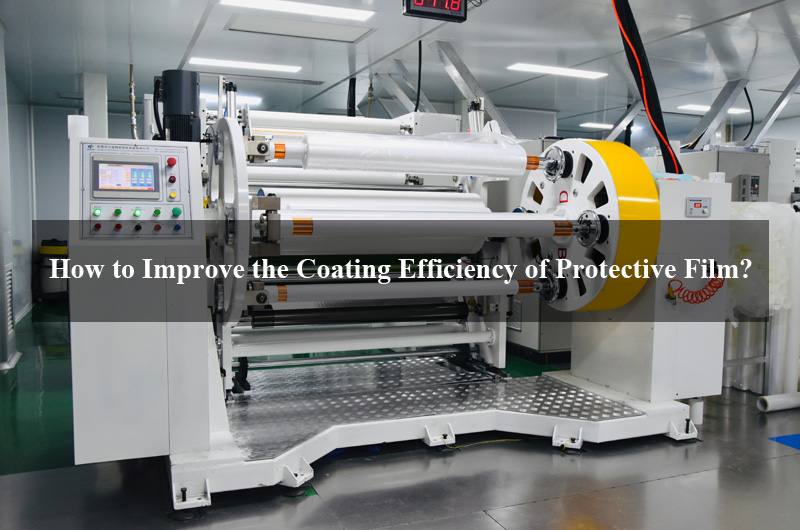
The coating process plays a critical role in determining the protective film’s adhesion, transparency, durability, and overall production cost.
Improving coating efficiency not only enhances product quality but also reduces material waste, downtime, and energy consumption.
This article explores practical strategies to improve the coating efficiency of protective film production.
What Is Protective Film Coating Efficiency?
Protective film coating efficiency refers to how effectively adhesive materials are applied onto the film substrate during the coating process.
Efficient coating production aims to achieve:
- Stable coating weight
- Uniform adhesive distribution
- High production speed
- Low material waste
- Reduced downtime
- Consistent product quality
Importance of Coating Efficiency in Protective Film Manufacturing
High coating efficiency provides several important benefits.
Lower Production Cost
Efficient coating reduces:
- Raw material waste
- Energy consumption
- Machine downtime
- Labor cost
This helps protective film manufacturers improve profitability and competitiveness.
Improved Product Quality
Stable coating processes improve:
- Adhesion consistency
- Surface appearance
- Coating uniformity
- Film performance
Consistent quality is especially important for protective films and decorative surface protection applications.
Higher Production Capacity
Optimized coating lines can operate at higher speeds while maintaining stable quality, allowing manufacturers to increase output without adding additional equipment.
Ways to Improve Protective Film Coating Efficiency
1. Optimize the Selection of Coating Materials
Choosing the right coating material is the foundation of an efficient coating process. Manufacturers should consider:
- Viscosity stability to ensure smooth and uniform coating
- Good wettability for better substrate coverage
- Fast drying characteristics to increase production speed
- Strong adhesion performance for long-term durability
Using high-quality acrylic pressure-sensitive adhesives and functional coatings can minimize defects such as bubbles, streaks, and uneven thickness.
2. Improve Surface Treatment of the Base Film
Poor surface energy often leads to inadequate coating adhesion. Surface treatment methods can significantly improve coating performance:
- Corona treatment
- Plasma treatment
- Chemical priming
- Flame treatment
These treatments increase the surface energy of the protective film substrate, enabling the coating to spread evenly and bond effectively.
3. Maintain Precise Coating Thickness Control
Uniform coating thickness is essential for consistent product quality. Excess coating increases material costs, while insufficient coating reduces protection performance.
Key methods include:
- Using advanced slot-die or gravure coating systems
- Installing automatic thickness monitoring equipment
- Calibrating coating rollers regularly
- Monitoring viscosity and coating speed in real time
Precise thickness control helps reduce waste and improve yield rates.
4. Upgrade Coating Equipment
Modern coating equipment can dramatically improve efficiency and consistency.
Recommended upgrades include:
- High-speed coating lines
- Automatic tension control systems
- Closed-loop viscosity control
- Intelligent drying systems
- AI-based defect inspection systems
Automation minimizes human error and increases production stability.
5. Optimize Drying and Curing Processes
Improper drying may cause residual solvents, poor adhesion, or surface defects. Efficient drying systems improve both coating quality and production speed.
Important considerations:
- Maintain balanced drying temperatures
- Ensure proper airflow circulation
- Optimize curing time
- Prevent overheating that may deform the film
UV curing technology is increasingly popular due to its fast curing speed and energy efficiency.
6. Reduce Environmental Contamination
Dust, humidity, and temperature fluctuations can negatively affect coating quality.
To improve efficiency:
- Use cleanroom environments when necessary
- Maintain stable humidity and temperature
- Install dust filtration systems
- Regularly clean coating rollers and equipment
A controlled production environment reduces defects and rework rates.
7. Enhance Process Monitoring and Quality Control
Real-time monitoring allows manufacturers to detect problems early and maintain stable production.
Useful quality control methods include:
- Online optical inspection systems
- Coating uniformity analysis
- Adhesion testing
- Surface defect detection
- Data-driven process optimization
Collecting and analyzing production data helps identify inefficiencies and improve long-term performance.
8. Train Operators and Improve Maintenance
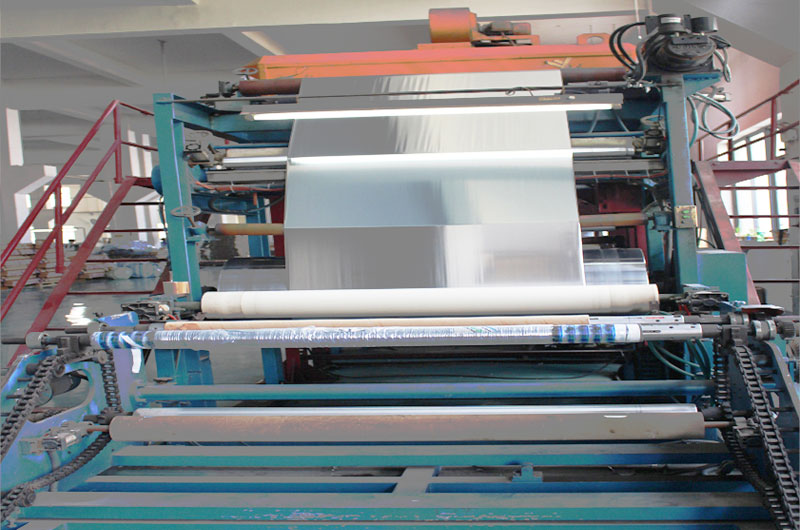
Even advanced machinery requires skilled operators and proper maintenance.
Best practices include:
- Regular staff training
- Standardized operating procedures
- Preventive equipment maintenance
- Scheduled roller and nozzle inspections
Well-trained operators can quickly identify abnormalities and reduce downtime.
9. Adopt Energy-Efficient and Sustainable Practices
Sustainability is becoming increasingly important in protective film manufacturing.
Manufacturers can improve efficiency by:
- Reducing solvent usage
- Recycling coating materials
- Using water-based coatings
- Installing energy-saving drying systems
These practices lower operational costs while meeting environmental regulations.