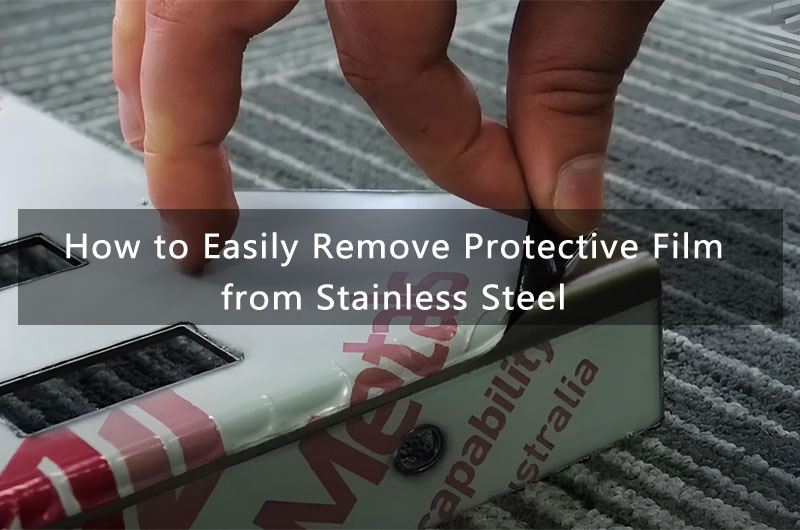
Unlike traditional adhesives that require curing or chemical reactions, PSAs rely on viscoelastic properties—balancing flow (to wet surfaces) and resistance (to maintain bonding strength). This allows them to adhere instantly while still being removable or repositionable in certain applications.
There are five main types of PSA, including acrylic, rubber, silicone, polyurethane (PU), and Ethylene-vinyl acetate (EVA).
1. Acrylic Pressure Sensitive Adhesives
Acrylic PSAs are among the most widely used adhesive systems due to their excellent balance of performance and environmental benefits. Water-based acrylic adhesives, in particular, are considered eco-friendly because they contain low levels of volatile organic compounds (VOCs).
Acrylic PSA Advantages and Disadvantages
|
|
Applications:
- Protective films for stainless steel, aluminum, and coated surfaces
- Labels and tapes for packaging and logistics
- Automotive trim attachment
- Electronics assembly and display bonding
- Building and construction materials
Acrylic PSAs are particularly favored in applications where durability, clarity, and environmental compliance are critical.
2. Rubber Pressure Sensitive Adhesives
Rubber-based PSAs are known for their high initial tack and strong adhesion to a wide range of surfaces, especially low-energy substrates.
Rubber PSA Advantages and Disadvantages
|
|
Applications:
- Packaging tapes (e.g., carton sealing tapes)
- Masking tapes for painting and surface protection
- Temporary bonding applications
- Labeling on difficult substrates
Rubber PSAs are ideal for short-term or cost-sensitive applications where quick adhesion is required.
3. Silicone Pressure Sensitive Adhesives
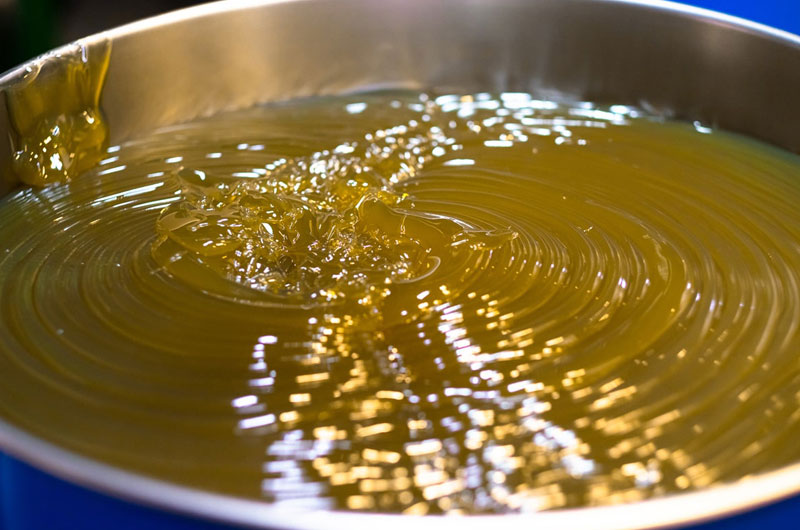
Silicone PSAs are designed for extreme conditions where conventional adhesives fail. They offer exceptional performance across a wide temperature range and on challenging surfaces.
Silicone PSA Advantages and Disadvantages
|
|
Applications:
- Aerospace and aviation components
- High-temperature masking tapes
- Medical devices and skin-contact adhesives
- Electronics requiring thermal stability
- Release liners and specialty films
Silicone PSAs are the preferred choice for demanding environments where reliability under extreme conditions is essential.
4. PU Pressure Sensitive Adhesives
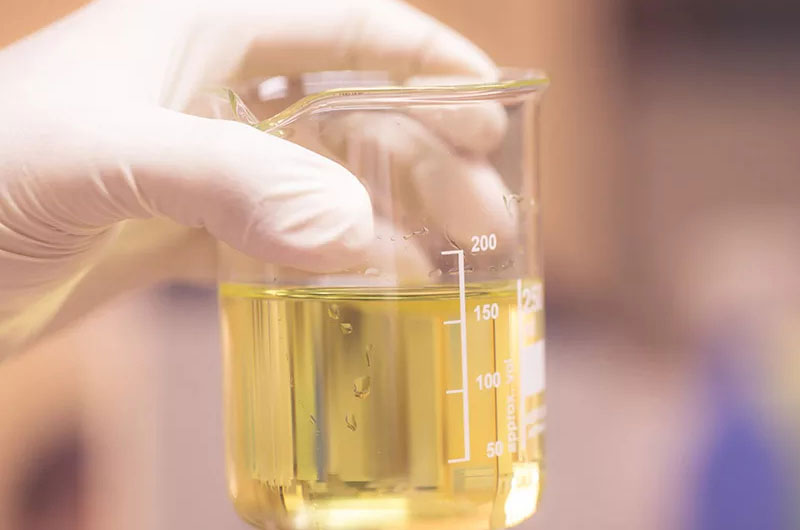
Polyurethane PSAs combine flexibility, strength, and abrasion resistance, making them suitable for dynamic and high-performance applications.
PU PSA Advantages and Disadvantages
|
|
Applications:
- Automotive interiors and exterior trim
- Protective films for high-impact surfaces
- Textile bonding and laminates
- Industrial tapes requiring durability
- Wear-resistant coatings and films
PU PSAs are ideal for applications that require both flexibility and long-term durability under mechanical stress.
5. EVA Pressure Sensitive Adhesives
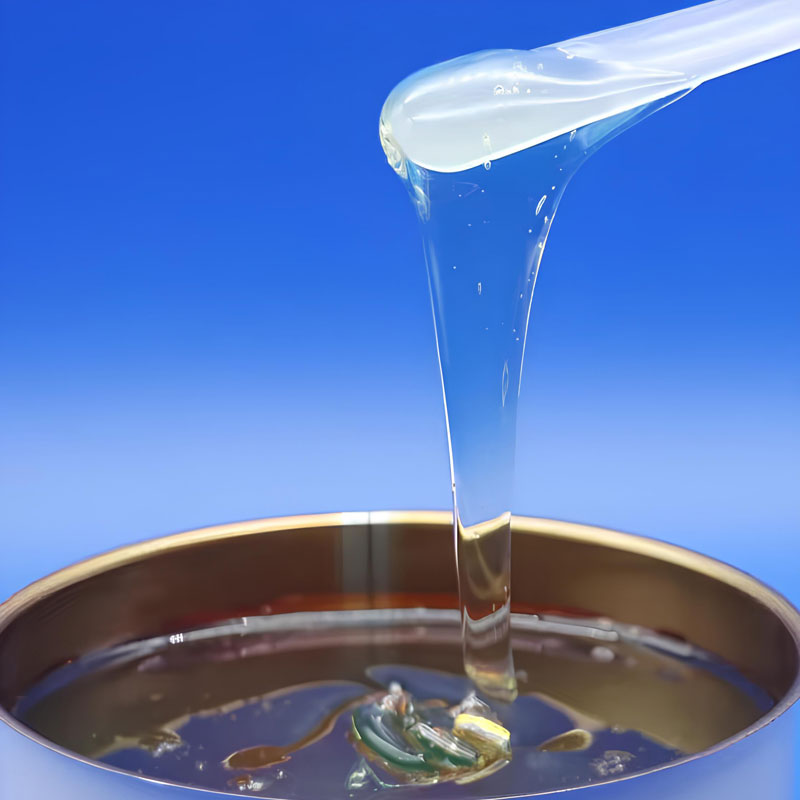
EVA PSAs are known for their softness, flexibility, and good adhesion properties at relatively low temperatures. They are often used in hot-melt PSA systems.
EVA PSA Advantages and Disadvantages
|
|
Applications:
- Hot-melt adhesive tapes and labels
- Packaging and sealing applications
- Bookbinding and paper products
- Hygiene products (e.g., diapers, sanitary items)
- Foam bonding and cushioning materials
EVA PSAs are widely used in industries that require flexible, economical adhesive solutions with moderate performance requirements.
Conclusion
Pressure-sensitive adhesives play a vital role in modern manufacturing and product design, offering convenient, efficient, and versatile bonding solutions.
- Acrylic PSAs excel in durability, environmental resistance, and eco-friendliness.
- Rubber PSAs provide strong initial tack and cost efficiency.
- Silicone PSAs deliver unmatched performance in extreme conditions.
- PU PSAs offer flexibility and mechanical durability.
- EVA PSAs balance cost and performance for flexible applications.