Pressure-sensitive adhesives (PSAs) are widely used in tapes, labels, films, and industrial bonding applications. Unlike reactive adhesives, PSAs form bonds through light pressure without requiring heat or chemical curing.
Among the various PSA technologies, water-based and solvent-based systems are the two most commonly used.
1. What Are Water-Based and Solvent-Based PSAs?
Water-Based PSA
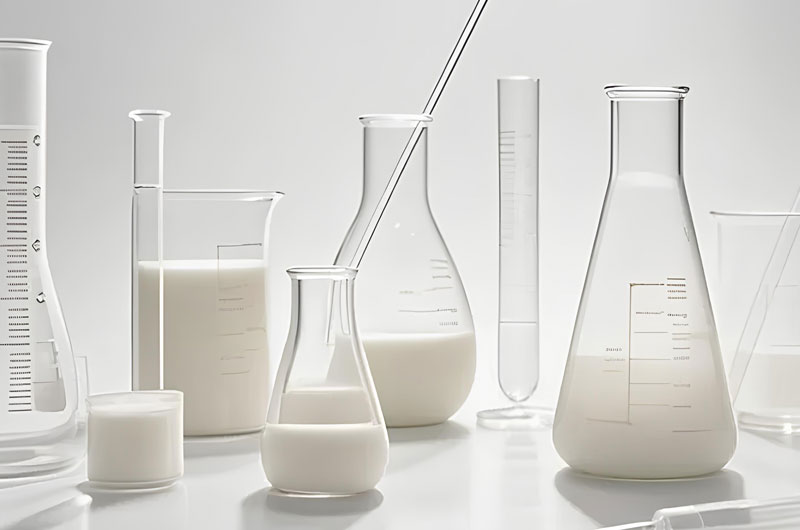
Water-based PSAs (also called emulsion PSAs) use water as the carrier medium. The adhesive polymers—typically acrylics—are dispersed in water, and bonding occurs as water evaporates.
These systems are widely used in:
- Packaging tapes
- Labels and stickers
- Paper and textile applications
Solvent-Based PSA
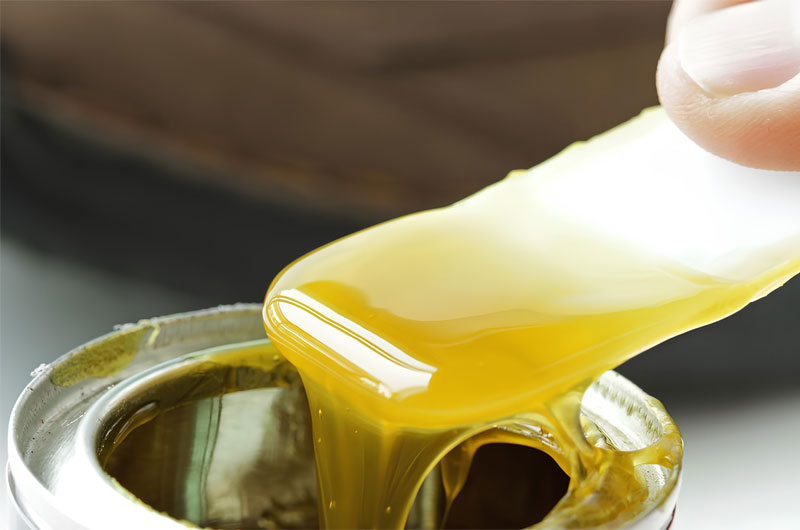
Solvent-based PSAs use organic solvents (such as toluene or acetone) to dissolve adhesive polymers. Once applied, the solvent evaporates, forming a strong and durable adhesive film.
They are commonly used in:
- Automotive and industrial tapes
- Outdoor signage and graphics
- High-performance bonding applications
2. Key Differences in Composition and Mechanism
The fundamental difference lies in the carrier system and drying mechanism:
- Water-based PSAs rely on water evaporation, which is slower and influenced by humidity.
- Solvent-based PSAs rely on fast solvent evaporation, resulting in quicker bonding.
Both types are “drying adhesives,” meaning they solidify as the liquid carrier evaporates.
| Criteria | Water-Based PSA 🌱 | Solvent-Based PSA ⚙️ |
|---|---|---|
| Carrier Medium | Water | Organic solvents (e.g., toluene, acetone) |
| VOC Emissions | Very low | High |
| Environmental Impact | Eco-friendly | Less environmentally friendly |
| Safety | Non-flammable, safer handling | Flammable, requires strict safety control |
| Adhesion Strength | Moderate (improving with new tech) | High, strong bonding |
| Initial Tack | Medium | High |
| Temperature Resistance | Moderate | Excellent |
| UV & Weather Resistance | Moderate | Excellent |
| Chemical Resistance | Limited | Strong |
| Drying Speed | Slower (affected by humidity) | Fast |
| Processing Efficiency | Moderate | High-speed production compatible |
| Substrate Compatibility | Best for paper, textiles, HSE surfaces | Works well on LSE surfaces (PE, PP, metal) |
| Typical Applications | Labels, packaging, hygiene products | Automotive, electronics, outdoor use |
| Cost Consideration | Lower compliance & safety cost | Higher due to VOC control systems |
3. Environmental Impact and Safety
Water-Based PSAs: Eco-Friendly Advantage
Water-based PSAs are widely recognized as the more sustainable option due to:
- Very low VOC (volatile organic compound) emissions
- Non-flammable formulation
- Reduced workplace health risks
Some formulations contain less than 50 g/L VOC, meeting strict environmental regulations such as EPA and EU standards.
Solvent-Based PSAs: Environmental Challenges
Solvent-based PSAs:
- Emit significant VOCs during drying
- Require ventilation and emission control systems
- Pose fire and health risks due to flammable solvents
Conclusion: Water-based systems dominate in environmentally regulated markets (e.g., EU, California).
4. Adhesion Performance and Strength
Solvent-Based: Superior Bond Strength
Solvent-based PSAs generally provide:
- Higher initial tack
- Stronger long-term adhesion
- Better bonding to difficult substrates (e.g., PE, PP, metals)
They are ideal for high-stress and demanding environments.
Water-Based: Improving Performance
Traditionally, water-based PSAs had lower strength, but modern formulations:
- Offer competitive shear strength after full curing
- Perform well on high surface energy materials
- Are suitable for most general applications
Conclusion: Solvent-based still leads in extreme performance, but the gap is narrowing.
5. Temperature, Chemical, and Weather Resistance
Solvent-Based PSAs
- Excellent resistance to heat, UV, and chemicals
- Stable in harsh outdoor conditions
- Suitable for automotive and industrial use
Water-Based PSAs
- Moderate resistance to temperature and moisture
- Performance may degrade under high humidity or prolonged exposure
- Limited UV and chemical resistance
Conclusion: Solvent-based PSAs are preferred for outdoor and high-temperature applications.
6. Drying Speed and Processing Efficiency
Solvent-Based PSAs
- Fast drying due to rapid solvent evaporation
- Suitable for high-speed production lines
- Immediate handling strength
Water-Based PSAs
- Slower drying due to water evaporation
- Sensitive to environmental conditions (humidity, temperature)
- Longer curing time may affect throughput
Conclusion: Solvent-based systems offer higher production efficiency.
7. Substrate Compatibility
Water-Based PSAs
Best suited for:
- Paper and cardboard
- Textiles
- High surface energy materials
They may require primers for:
- Plastics like PE and PP
Solvent-Based PSAs
Better compatibility with:
- Low surface energy materials (PE, PP)
- Metals and plastics
- Multi-material bonding
Conclusion: Solvent-based PSAs are more versatile across diverse substrates.
8. Application Areas
Water-Based PSA Applications
- Packaging tapes
- Labels and stickers
- Medical and hygiene products
- Eco-friendly consumer goods
Solvent-Based PSA Applications
- Automotive labels and trims
- Outdoor signage and reflective films
- Industrial tapes
- Electronics and specialty films
For example, road signs and outdoor graphics often rely on solvent-based PSAs due to their durability and UV resistance.
9. Cost and Sustainability Considerations
Water-Based PSAs
- Lower environmental compliance costs
- Reduced need for emission control equipment
- Lower insurance and safety costs
Solvent-Based PSAs
- Higher regulatory and safety costs
- Additional equipment for VOC recovery
- Higher operational complexity
However, solvent-based systems may justify costs in high-performance applications.
Conclusion
Water-based and solvent-based PSAs each play a critical role in modern adhesive applications.
- Choose water-based PSA if you prioritize:
- Environmental compliance
- Safety
- Cost-effective, general-purpose bonding
- Choose solvent-based PSA if you need:
- High bond strength
- Resistance to heat, chemicals, and UV
- Performance in demanding industrial conditions