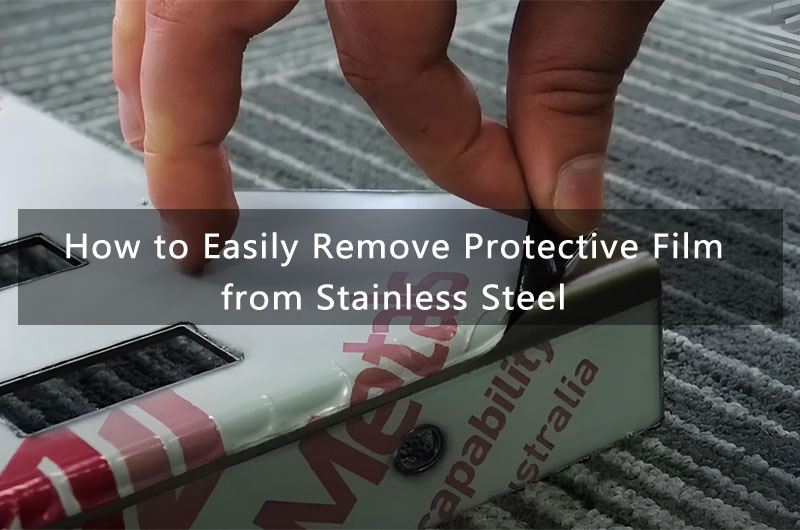
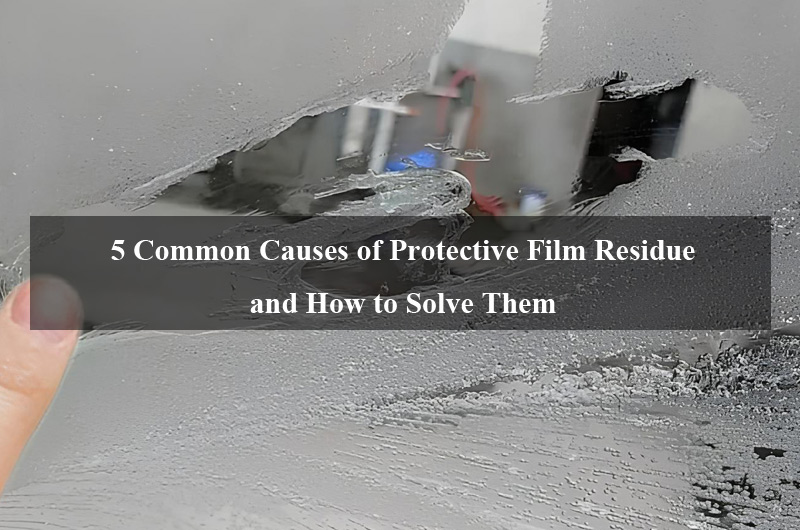
One of the most common problems users face when using protective films is adhesive residue after removing the protective film. Residue not only affects product appearance, but can also increase cleaning costs and reduce production efficiency.
In this article, we explain the 5 most common causes of protective film residue and the best solutions to avoid them.
1. Excessive Heat Exposure
High temperatures can cause the adhesive to soften and bond too strongly to the surface. This is especially common during:
- Outdoor storage
- Summer transportation
- High-temperature processing
- Direct sunlight exposure
As the adhesive ages under heat, it becomes difficult to remove cleanly.
Common Symptoms
- Sticky adhesive left on the surface
- Film becomes difficult to peel off
- Adhesive transfer marks
Solutions
- Use UV-resistant protective films for outdoor applications
- Select heat-resistant adhesive systems
- Avoid long-term exposure to direct sunlight
- Store materials in cool and dry environments
- Remove the film within the recommended time period
2. Incorrect Adhesive Strength Selection
Using a protective film with adhesive strength that is too high for the substrate can cause residue problems.
For example:
- High-tack film on mirror stainless steel
- Strong adhesive on acrylic sheets
- Improper film for glossy surfaces
Sensitive surfaces usually require low-tack protective films.
Common Symptoms
- Adhesive residue after peeling
- Surface marks
- Difficult removal
Solutions
- Match adhesive strength with the substrate material
- Test film compatibility before mass production
- Use low-tack films for glossy or delicate surfaces
- Consult your protective film supplier for proper selection
3. Long-Term Application
Leaving the protective film on the surface for too long can cause adhesive aging.
Over time, the adhesive may:
- Harden
- Oxidize
- Chemically react with the surface
This is a common issue in warehouses or delayed construction projects.
Common Symptoms
- Film tearing during removal
- Residue left behind
- Uneven peeling
Solutions
- Follow the recommended removal timeline
- Regularly inspect stored materials
- Avoid excessive storage duration
- Use long-term protective films for extended applications
4. Poor Surface Conditions
Dirty or contaminated surfaces can affect adhesive performance.
Common contaminants include:
- Oil
- Dust
- Moisture
- Chemical residues
These contaminants may cause uneven bonding and adhesive transfer.
Common Symptoms
- Partial residue
- Uneven adhesion
- Bubbles or edge lifting
Solutions
- Clean surfaces before lamination
- Keep the application environment dust-free
- Ensure surfaces are dry and oil-free
- Use proper surface preparation methods
5. Low-Quality Protective Film
Low-quality protective films often use unstable adhesives that cannot withstand heat, humidity, or aging conditions.
Cheap films may initially appear acceptable but can create serious residue problems later.
Common Symptoms
- Heavy glue residue
- Adhesive separation
- Inconsistent peeling performance
Solutions
- Choose reliable protective film manufacturers
- Request adhesive performance testing
- Use certified industrial-grade films
- Verify aging and weather resistance specifications
Final Thoughts
Adhesive residue is usually caused by a combination of heat, incorrect film selection, aging, contamination, and film quality.
To minimize residue risks, follow these best practices:
- Select the correct adhesive strength
- Use films designed for your application
- Avoid excessive heat and UV exposure
- Remove films within the recommended period
- Keep surfaces clean before application
- Work with experienced protective film suppliers